
Drones have transformed the way we document travel, offering stunning aerial perspectives that were once impossible to capture. If you’re planning an Antarctic expedition, it’s natural to wonder whether you can bring a drone to photograph glaciers, wildlife, and vast polar landscapes.
The short answer: No – drones are not allowed for recreational use in Antarctica.

Antarctica is governed by strict environmental protections under the Antarctic Treaty System. Tourism activities are further regulated by the International Association of Antarctica Tour Operators (IAATO), which sets guidelines to minimize human impact on this fragile ecosystem. These guidelines strongly restrict drone usage due to safety, environmental, and wildlife concerns.
While this may seem limiting at first, these rules exist to preserve one of the last truly untouched places on Earth – and they shape how you experience it in a more meaningful way.
Why drones are restricted in Antarctica
Drone restrictions in Antarctica are not arbitrary; they are grounded in environmental science and operational safety. Understanding the rationale can help travelers appreciate why these policies are taken seriously.
1. Wildlife disturbance
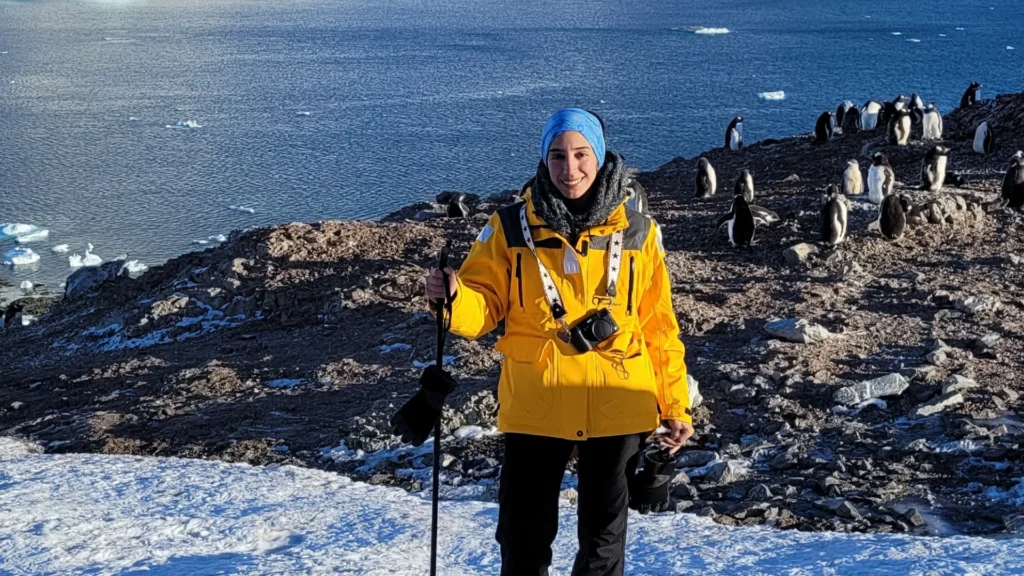
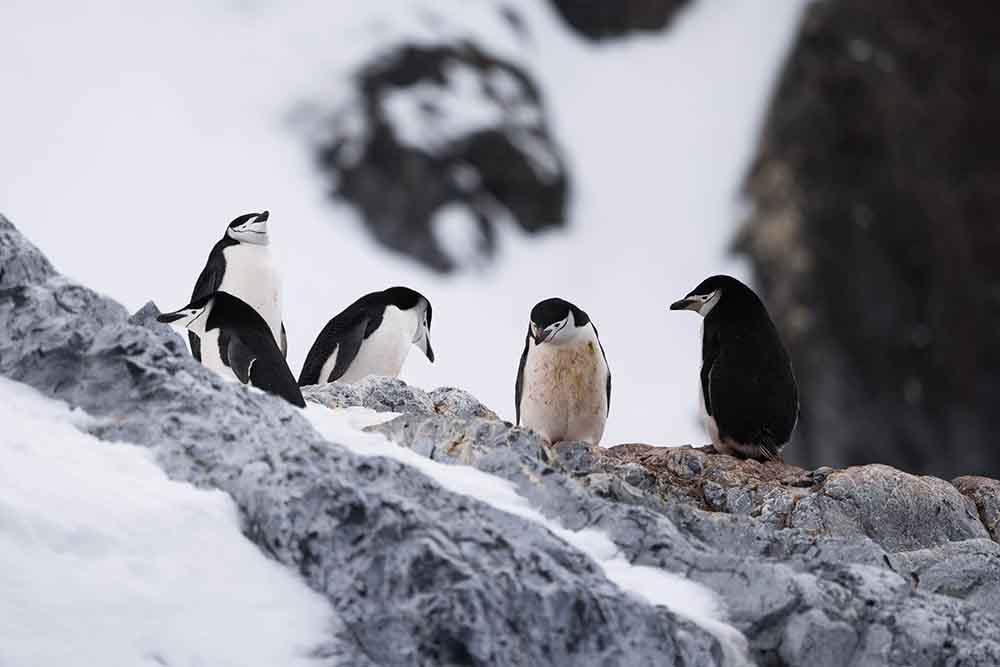
Antarctica is home to sensitive species such as penguins, seals, and seabirds. Drones can:
- Cause stress or panic responses in wildlife
- Disrupt breeding colonies
- Lead to abandonment of nests in extreme cases
Even small disturbances can have significant ecological consequences in such a delicate environment.
2. Safety risks during landings and operations
Most Antarctic cruises involve Zodiac landings—small inflatable boats transporting passengers from ship to shore. Drone use can interfere with:
- Navigation and safety procedures
- Emergency operations
- Group coordination led by expedition guides
3. Environmental protection protocols
Antarctica operates under a “leave no trace” philosophy. A lost or crashed drone becomes:
- Foreign litter in a pristine ecosystem
- A potential pollutant
- A hazard to wildlife
Recovery is not always possible due to terrain or weather conditions.
4. Privacy and group experience
Expedition travel is designed to be immersive and respectful. Drones can disrupt:
- Guided educational moments led by experts
- The quiet, natural atmosphere
- Other guests’ experiences
Are there any exceptions for drone use?
While recreational drone use is generally prohibited, exceptions do exist—but they are extremely limited.
Drone operations may be permitted if:
- They are conducted for scientific research purposes
- They are part of an authorized documentary or media project
- They have received formal approval from relevant authorities and the expedition operator
These approvals require:
- Detailed operational plans
- Environmental impact assessments
- Coordination with national Antarctic programs
For travelers, this means that bringing a drone “just in case” is not advisable. Even if you own professional equipment, you will not be able to use it without prior authorization arranged well in advance
Tips for capturing incredible photos without a drone
If your goal is to document your journey, you can still achieve stunning results with the right approach and equipment.
Bring the right gear:
- A DSLR or mirrorless camera with a zoom lens (e.g., 70–200mm or 100–400mm)
- A wide-angle lens for landscapes
- Extra batteries (cold weather drains power quickly)
Use the environment to your advantage:
- Shoot during the “golden hours” of polar light
- Capture scale by including people or Zodiacs in your frame
- Focus on textures—ice, snow, and water reflections
Leverage Zodiac positioning:
- Stay ready—wildlife encounters can happen quickly
- Keep your camera protected but accessible
- Follow your guide’s positioning for the best angles
Respect wildlife guidelines:
- Maintain required distances
- Avoid sudden movements
- Let animals approach naturally
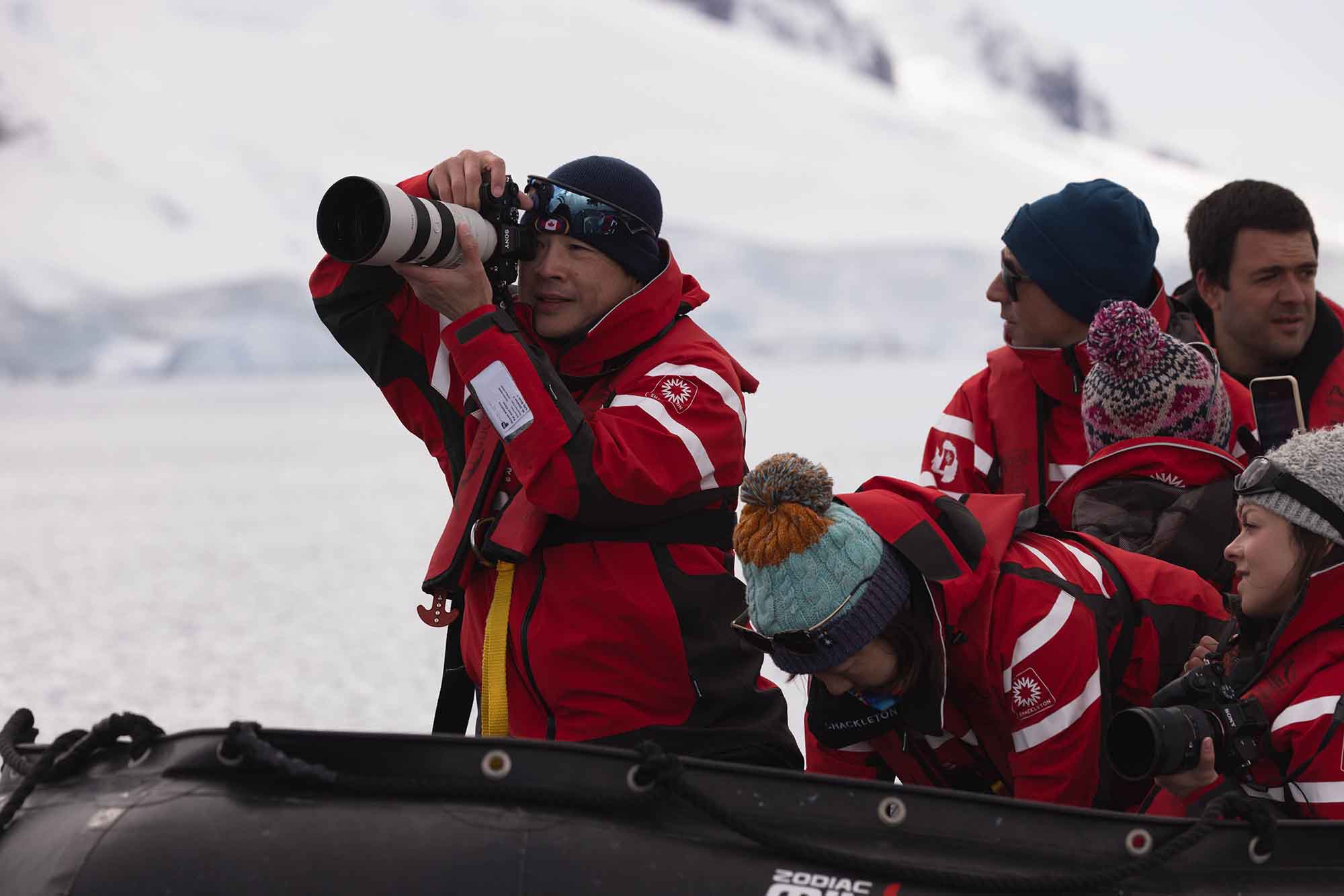
These techniques often result in more authentic and powerful imagery than aerial footage.
A different perspective on Antarctica
While it may be disappointing not to use a drone, most travelers quickly realize that Antarctica doesn’t need aerial enhancement to be extraordinary.
This is a destination defined by:
- Silence and scale
- Raw, untouched landscapes
- Close, respectful encounters with wildlife
Experiencing it at ground level—standing among penguins, cruising past icebergs, and watching whales surface nearby—offers a perspective that no drone can replicate.
If you’re planning your Antarctic journey and want guidance on choosing the right expedition, timing your trip, or preparing for the experience, we’re here to help you navigate every step.
At Freestyle Adventure Travel, we work closely with a curated selection of expedition ships that prioritize experience quality over volume, ensuring you get the most out of every landing and excursion.
Our team, based in Ushuaia, also provides on-the-ground support before and after your trip, helping you prepare properly for Antarctic conditions.
After all, Antarctica isn’t just about what you capture – it’s about what stays with you long after you leave.