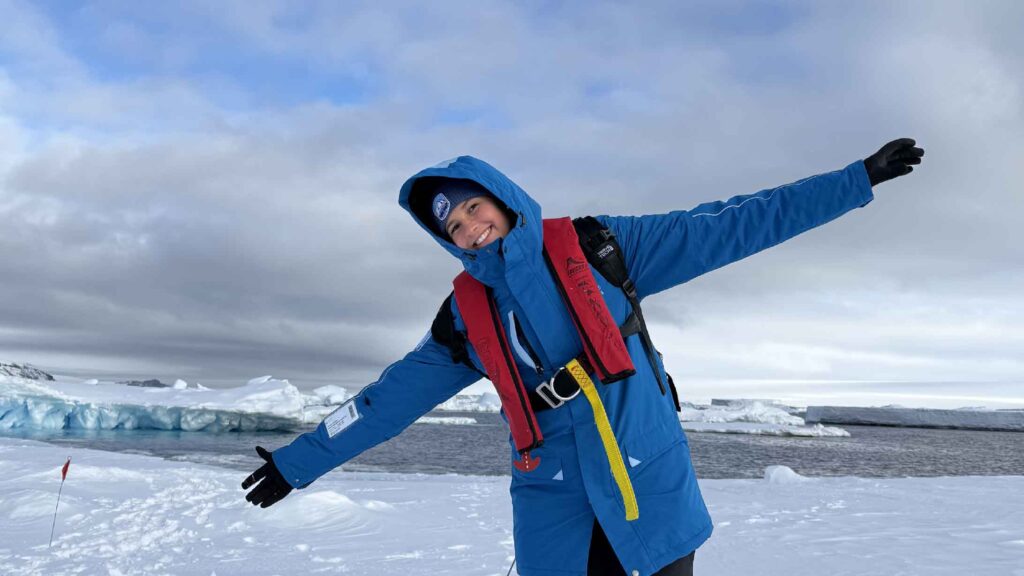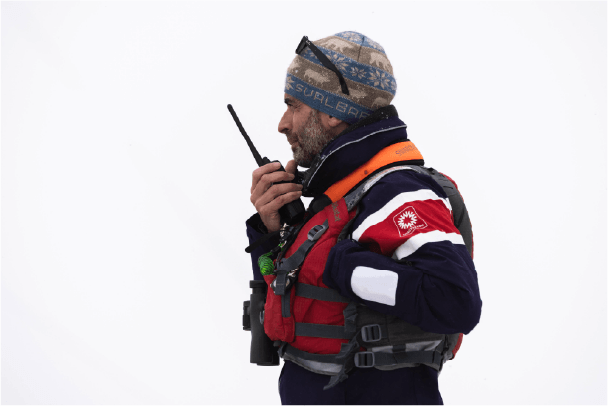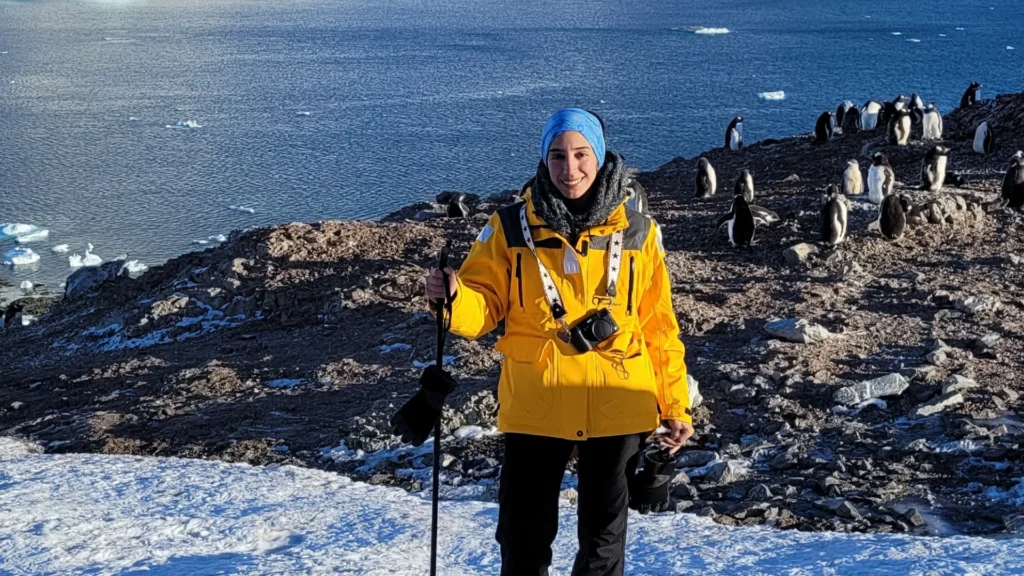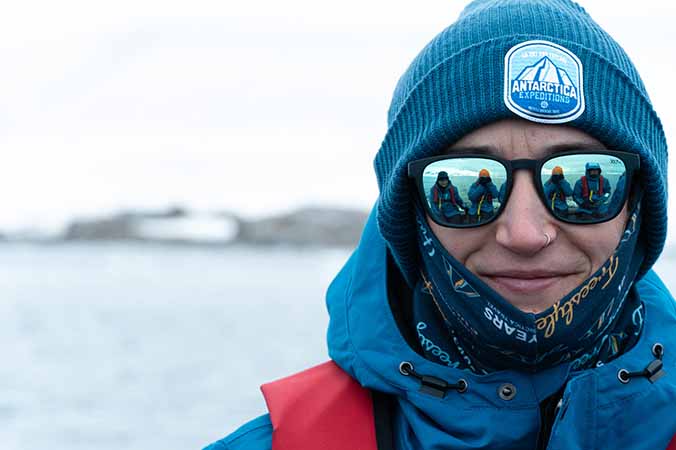


Planning an Arctic cruise between May and September? Packing correctly is key to enjoying your experience.
While this is considered the Arctic “summer,” conditions remain cold, windy, and often wet. Travelers familiar with Antarctica may expect extreme gear, but Arctic cruise season requires a more flexible approach.
At Freestyle Adventure Travel, our experience in polar regions shows that the key is not heavy clothing, but a smart layering system combined with waterproof protection.
What is Arctic weather like during cruise season?
Arctic cruise destinations such as Svalbard, Greenland, and Iceland typically see temperatures between 0°C and 10°C from May to September.
However, temperature alone can be misleading. The main factors to consider are:
- Wind chill
- Humidity from sea spray and rain
- Rapid weather changes
👉 As a result, it often feels colder than expected.
Layering vs. heavy gear: what really works
You don’t need extreme expedition clothing for Arctic summer cruises. Instead, layering allows you to adapt to changing conditions throughout the day.
A practical system includes:
- Base layer: moisture-wicking thermals (avoid cotton)
- Mid layer: fleece or lightweight insulated jacket
- Outer layer: waterproof and windproof jacket and pants
This combination keeps you warm, dry, and comfortable both on deck and during excursions.
Footwear and essential accessories
For most Arctic cruises, rubber boots are provided for landings. You should still bring:
- Wool socks (4–6 pairs)
- Comfortable shoes for onboard use
Accessories are just as important for comfort:
- Warm hat and neck gaiter
- Waterproof gloves (plus a liner pair)
- Sunglasses
- Sunscreen and SPF lip balm
These small items make a significant difference, especially in windy conditions.
What to wear onboard and in Arctic towns
Unlike Antarctica, the Arctic includes towns and local communities. This means you’ll need a mix of technical gear and casual clothing.
We recommend packing:
- Comfortable pants or jeans
- Long-sleeve shirts or T-shirts
- Sweaters
- Walking shoes
- Swimwear (for hot tubs or polar plunge)
This balance is one of the main differences when comparing Arctic and Antarctic packing lists.
What is usually provided on Arctic cruises?
Most expedition cruise operators include:
- An insulated expedition parka
- Rubber boots for shore landings
Checking this in advance helps you avoid overpacking and focus on essential layers instead.
Final thoughts: pack smart, not heavy
Packing for an Arctic cruise between May and September is about flexibility.
You don’t need extreme cold-weather gear, but you do need to be prepared for wind, moisture, and changing conditions.
By focusing on layering and waterproof protection, you’ll be ready to fully enjoy your Arctic experience, with comfort and confidence.