
When travelers start planning an Arctic trip, there’s one common assumption: that wildlife will be similar everywhere.
But the Arctic doesn’t work like that.
Unlike Antarctica, where most itineraries offer a fairly consistent wildlife experience, the Arctic is vast and varied. What you see depends almost entirely on where you go.
If wildlife is high on your list, understanding these differences is key to choosing the right trip.
The Arctic is not one destination
The Arctic is a region, not a single place.
It stretches across multiple countries and environments—from ice-covered archipelagos to fjords, tundra, and remote coastlines. And each landscape supports different types of wildlife.
That’s why two Arctic trips can feel completely different.
Some are all about polar bears and sea ice. Others focus more on whales, birdlife, culture, or dramatic scenery.If you’re still deciding between polar regions, you can explore the bigger picture here.
Svalbard: the classic Arctic wildlife experience
If you’re looking for the “full” Arctic experience, Svalbard is often the best place to start.
Located far north of mainland Europe, this remote archipelago offers a strong mix of wildlife and accessibility.
Here, the environment feels truly Arctic, glaciers, drifting ice, and wide-open spaces.
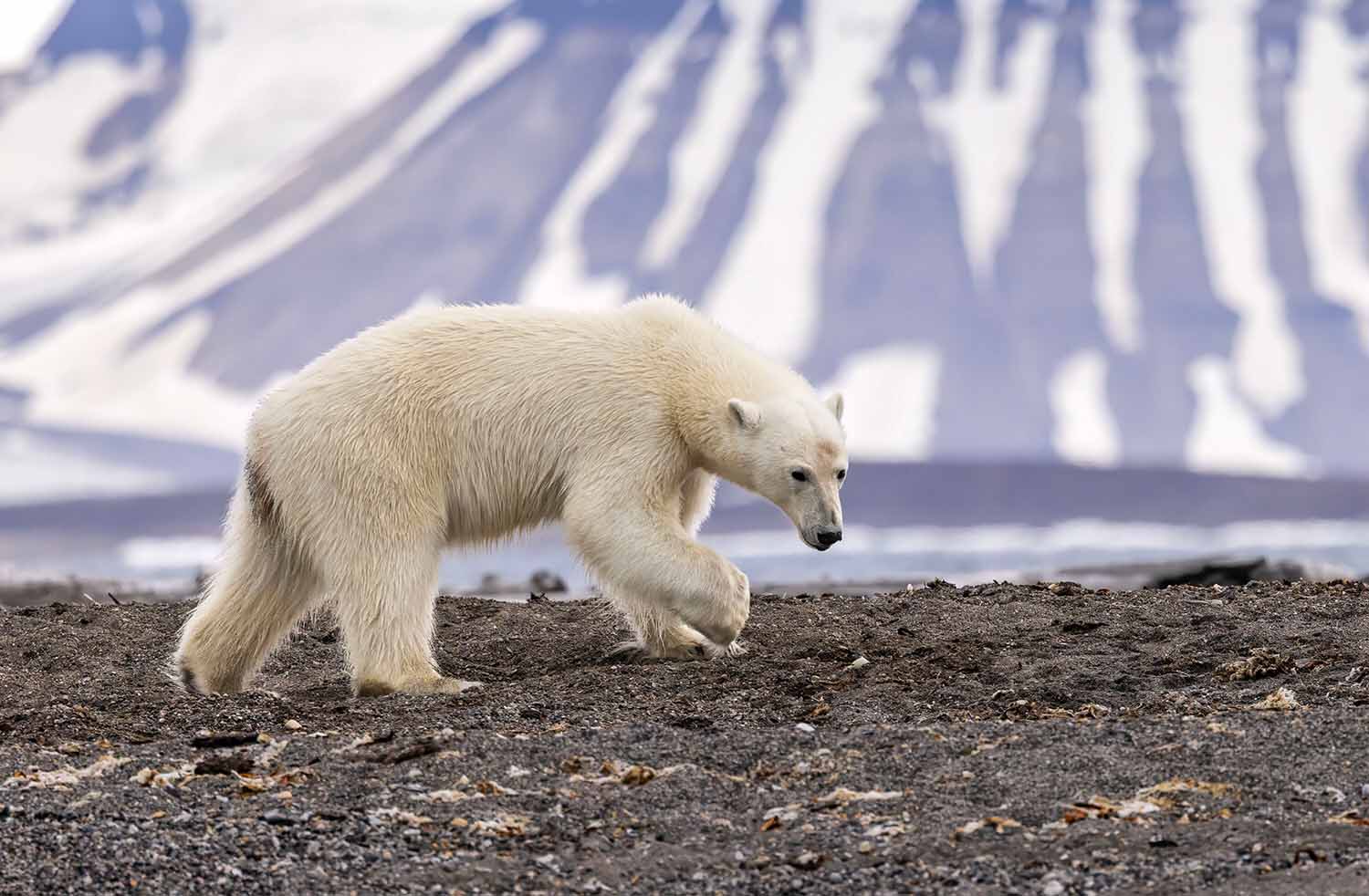
Over the course of a trip, you might see polar bears moving across sea ice, walrus resting along the shoreline, Arctic foxes near bird cliffs, seals scattered across ice floes, and whales feeding in open water.
It’s one of the few places where all these elements come together in a single itinerary.
If you want to dive deeper into why this region stands out, this guide is worth a read.
Greenland: wildlife meets scale and scenery
Greenland offers a different kind of Arctic experience.
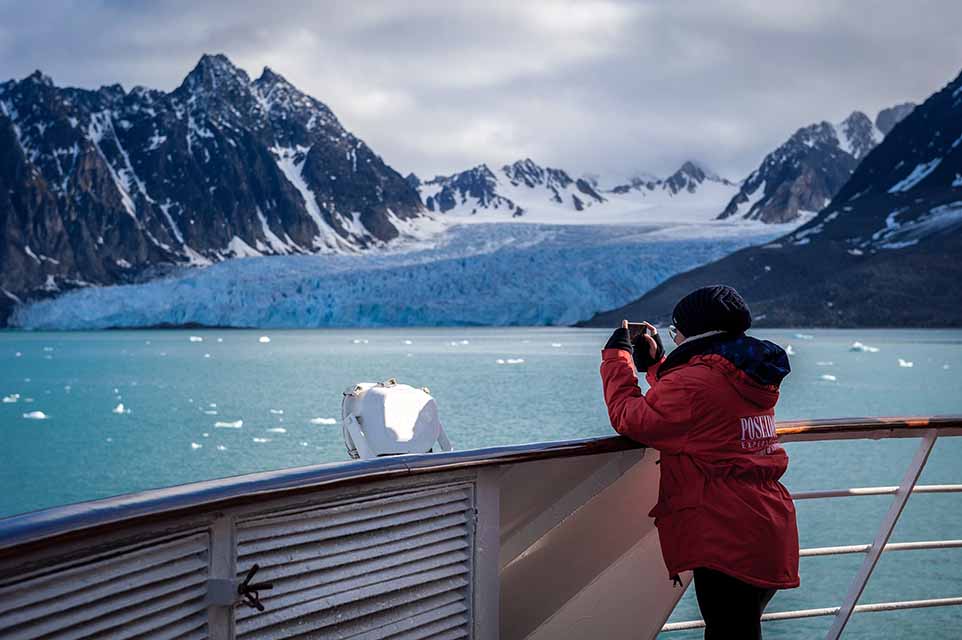
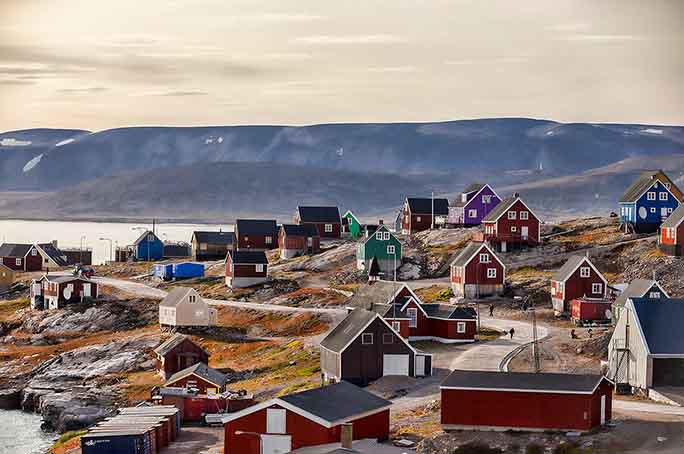
Wildlife is still present, but the focus often shifts toward the scale of the landscape, massive icebergs, deep fjords, and small coastal communities. Encounters here tend to feel more spread out, but still rewarding.
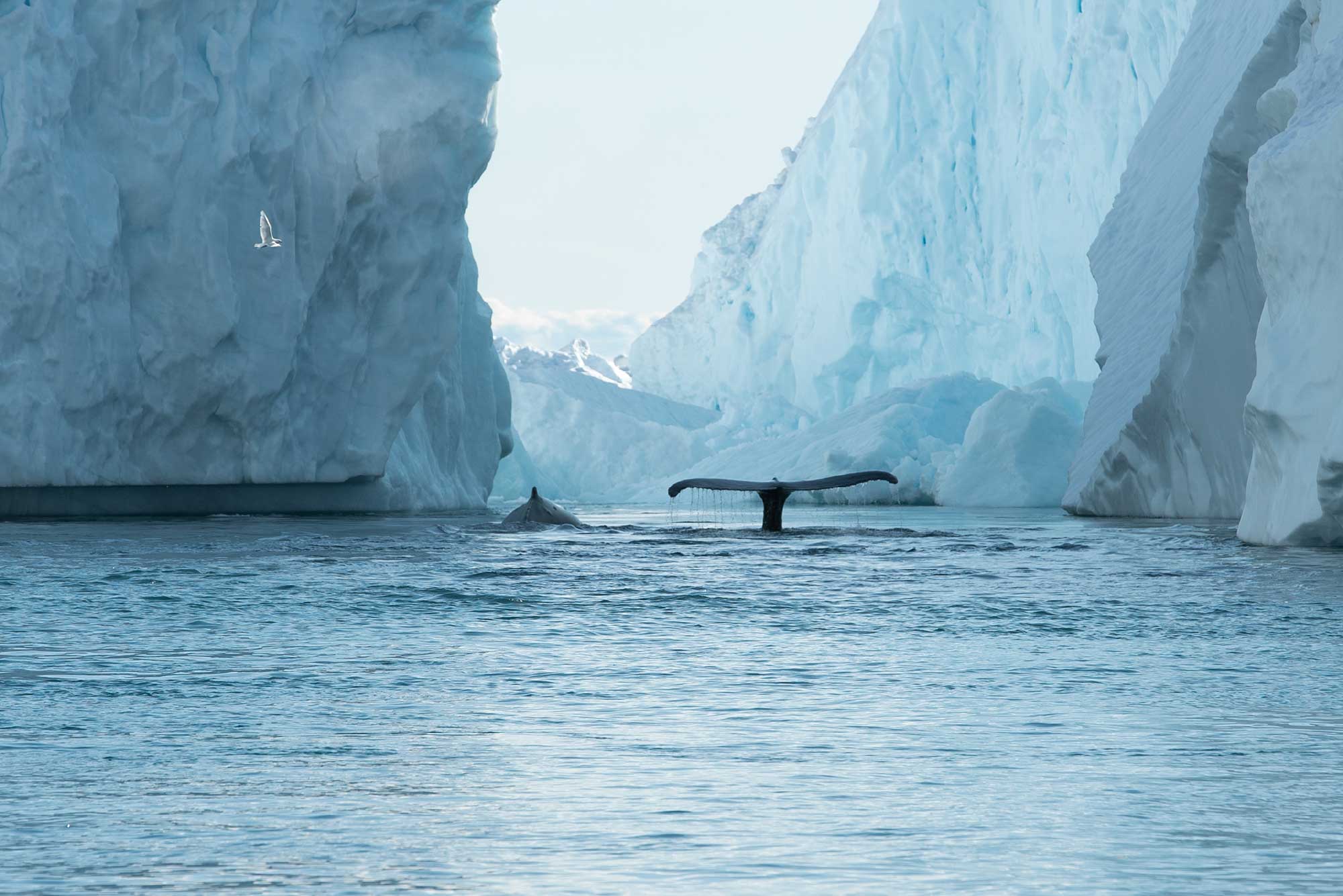
You’re likely to see whales, especially humpbacks during the summer, as well as seals and seabirds along the coast. Polar bears do exist in Greenland, but they are much less commonly seen compared to other regions.
The Canadian Arctic: remote and unpredictable
The Canadian Arctic is one of the least visited parts of the region, and one of the most remote.
Trips here often feel more like true expeditions, with long distances between landing sites and a strong sense of isolation.
Wildlife is present, but less concentrated. Depending on the route, you might encounter polar bears, musk oxen grazing on tundra, Arctic foxes, and occasional whales and seals.
Sightings can be less frequent, but when they happen, they feel incredibly special.
Iceland: a gateway to Arctic wildlife
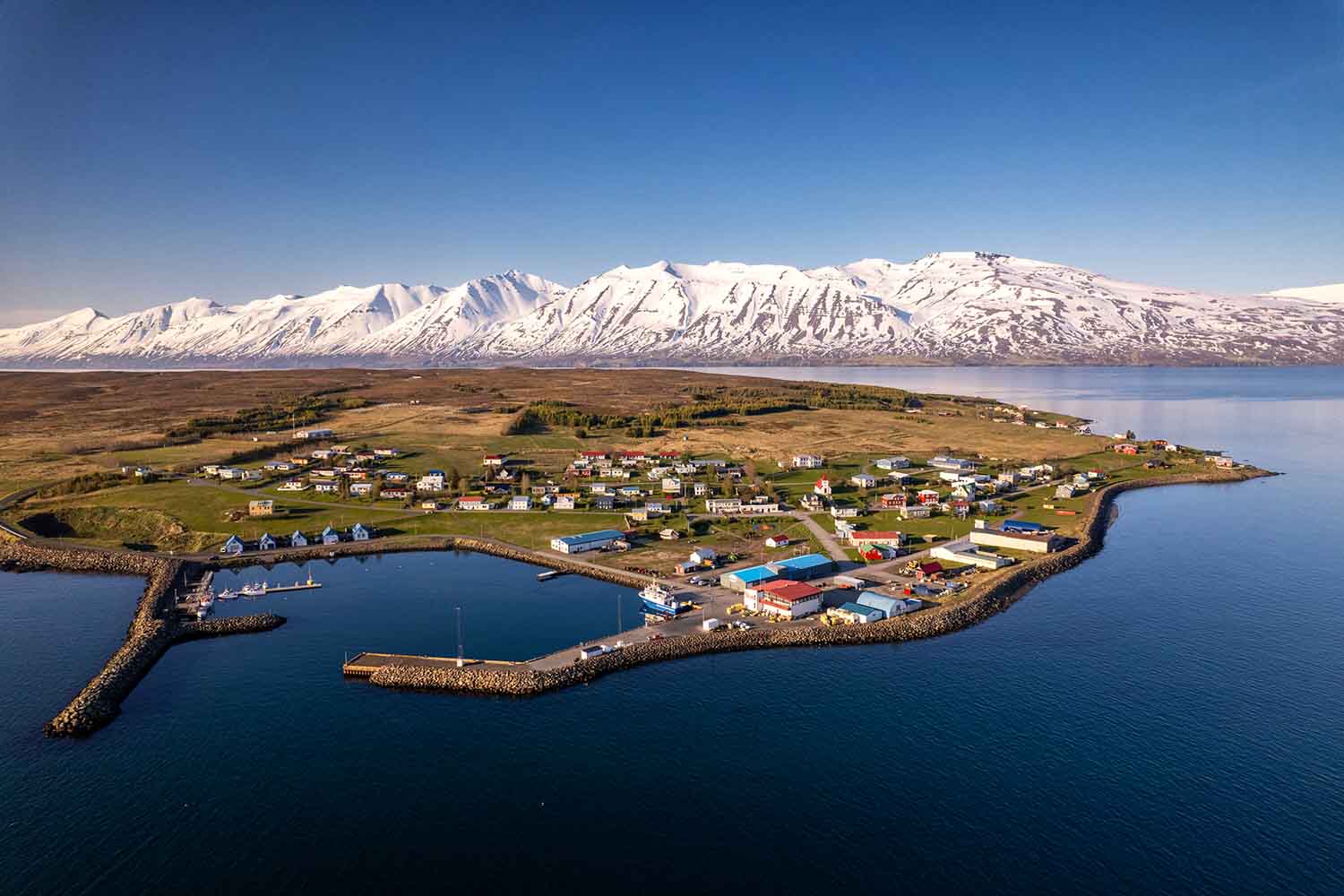
Iceland is often the easiest Arctic destination to reach, and for many travelers, it’s a natural starting point.
While it doesn’t offer the same type of wildlife as more remote regions, it has its own highlights, especially in the ocean.
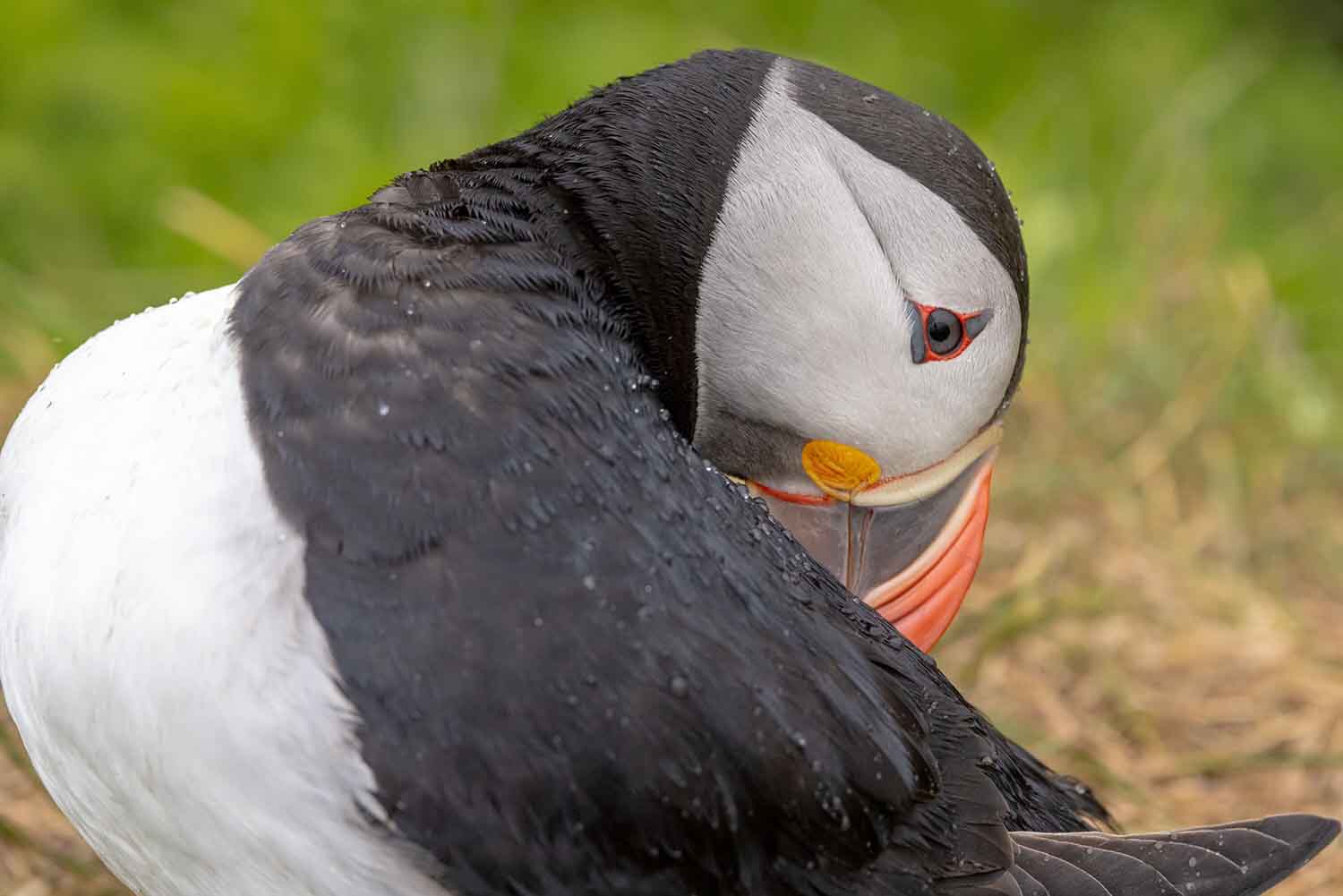
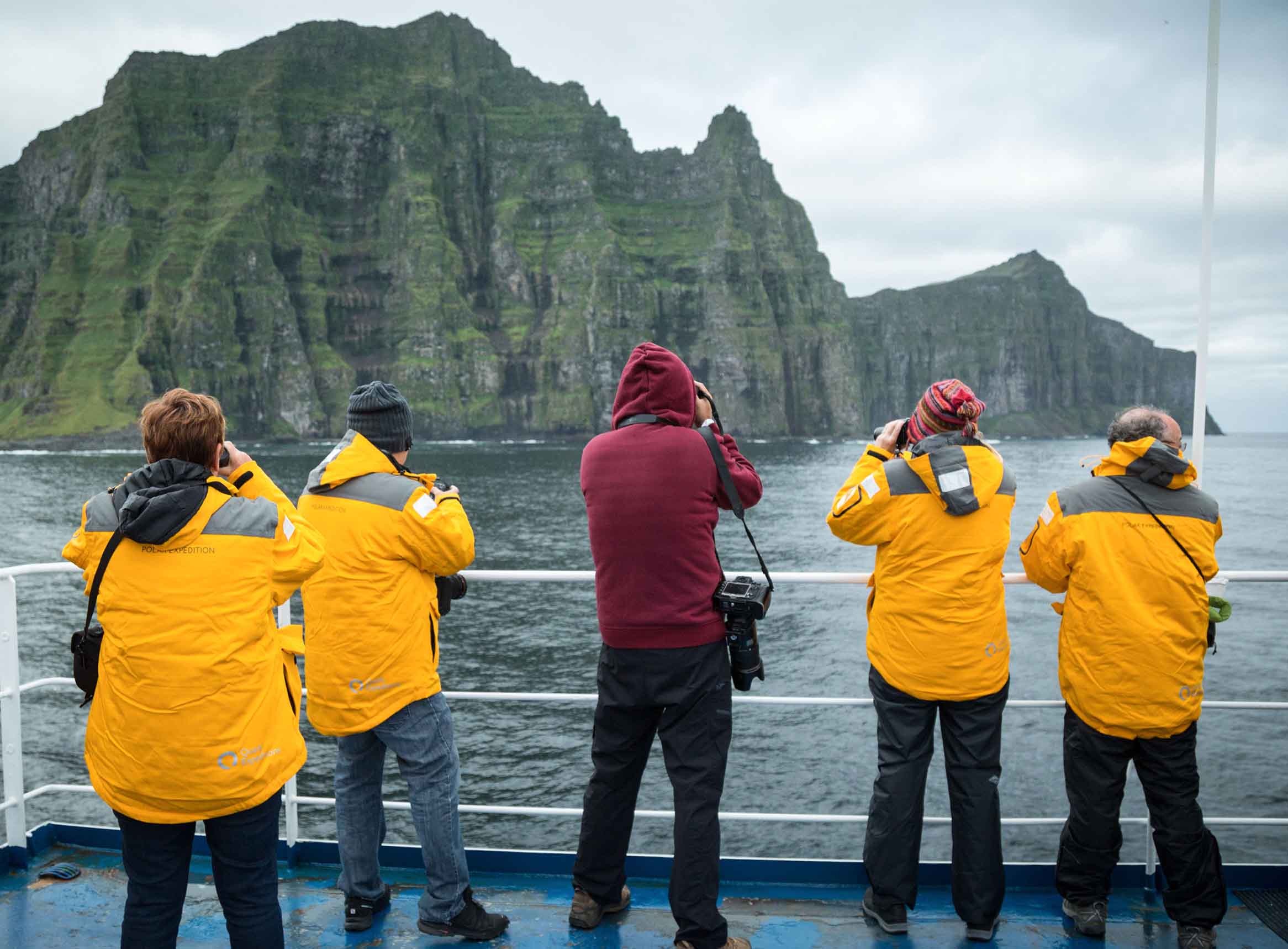
Iceland is particularly known for whale watching, large seabird colonies like puffins, and dramatic coastal landscapes. It’s a great option if you’re interested in marine life and want a more accessible Arctic experience.
Franz Josef Land: ice, isolation, and exploration
For travelers looking to go further, Franz Josef Land offers one of the most remote Arctic environments.
This archipelago is largely covered in ice and is only accessible on certain expedition itineraries. Wildlife here reflects the extreme conditions: polar bears, walrus colonies, seals on the ice, and seabirds nesting on cliffs.
Access depends heavily on ice conditions, which adds an element of unpredictability, but also a strong sense of exploration.
Choosing the right Arctic experience
If wildlife is your main focus, the destination you choose will shape your entire trip.
A simple way to think about it:
- Svalbard → best overall wildlife balance
- Greenland → whales and landscapes
- Canadian Arctic → remote and less predictable
- Iceland → marine wildlife and accessibility
- Franz Josef Land → raw, ice-covered wilderness
Each region offers something unique, the key is deciding what kind of experience you’re looking for.
Final thoughts
The Arctic rewards curiosity and patience. It’s not about checking off a list of animals, it’s about being in the right place, at the right time, and letting the experience unfold.
Whether it’s spotting a polar bear in the distance or watching whales surface beside the ship, these moments tend to stay with you long after the trip is over.
And it all starts with choosing where to go.