

Get info about this deal

  • This field is for validation purposes and should be left unchanged.
  • This field is hidden when viewing the form

When planning an Antarctic cruise, one of the most important decisions you’ll make is also one of the most overlooked: choosing the right ship. While Antarctica itself may be the star of the show, with its towering icebergs, bustling penguin colonies, and endless white landscapes, the vessel you travel on will define how you experience the White Continent.

After 12 years in Antarctic sales and helping more than 8,000 people travel to the polar regions, Freestyle’s Co-Founder and Polar Expert Sarah Scott shares her insights to help you select the perfect ship for your journey south.

Why Your Ship Matters

Antarctica is not a traditional destination. It’s remote, fragile, and governed by international regulations designed to preserve it. All Antarctic vessels must be registered with IAATO (International Association of Antarctica Tour Operators), and landings are strictly regulated.

For this reason, the size, capability, and style of your ship will directly influence:

 Understanding Ship Categories by Size

IAATO regulations determine how many times a ship can land in Antarctica based on its capacity:

-Under 200 passengers: Allowed two landings per day – ideal for a full expedition experience.

-200–500 passengers: Permitted only one landing per day.

-Over 500 passengers: Can cruise but not disembark.

At Freestyle, we specialise in vessels carrying fewer than 200 passengers, ensuring intimate access to the continent, expert-led outings, and meaningful time on land.

We don’t rank ships, because there’s no “best ship” for everyone. Each traveller is different, and the right ship depends on your priorities. Here’s how we break it down:

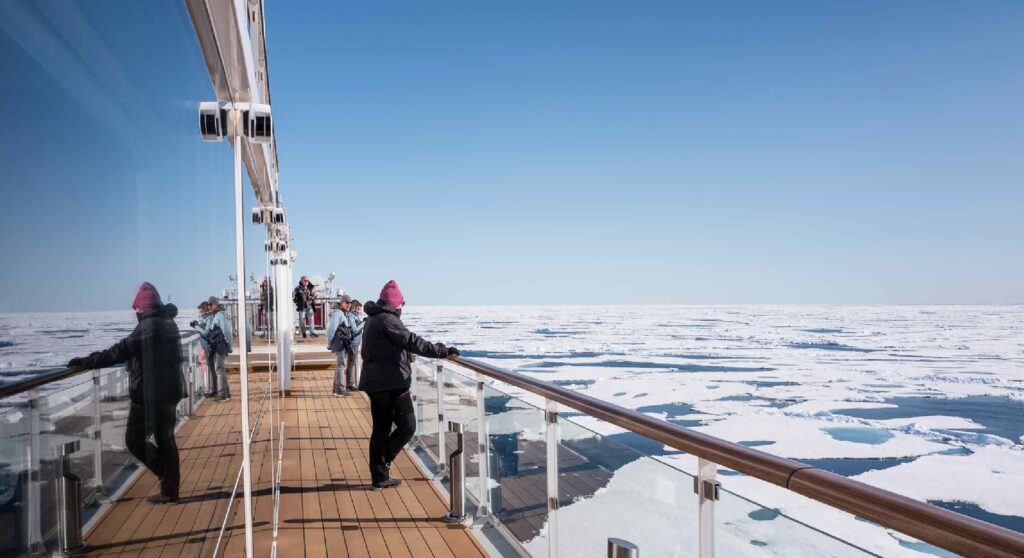
Focus on getting you off the ship and into nature as much as possible. These vessels are built for exploration with reinforced hulls and are usually staffed with naturalists, historians, and polar scientists who lead daily landings, give educational lectures, and share their expertise.

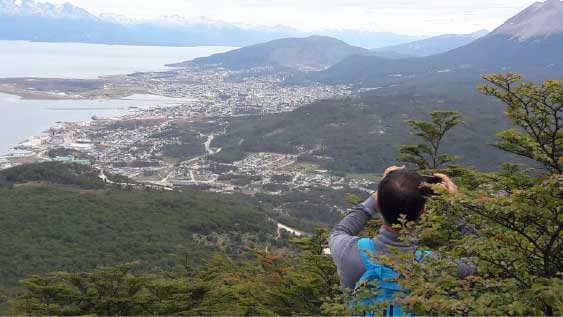
Ushuaia

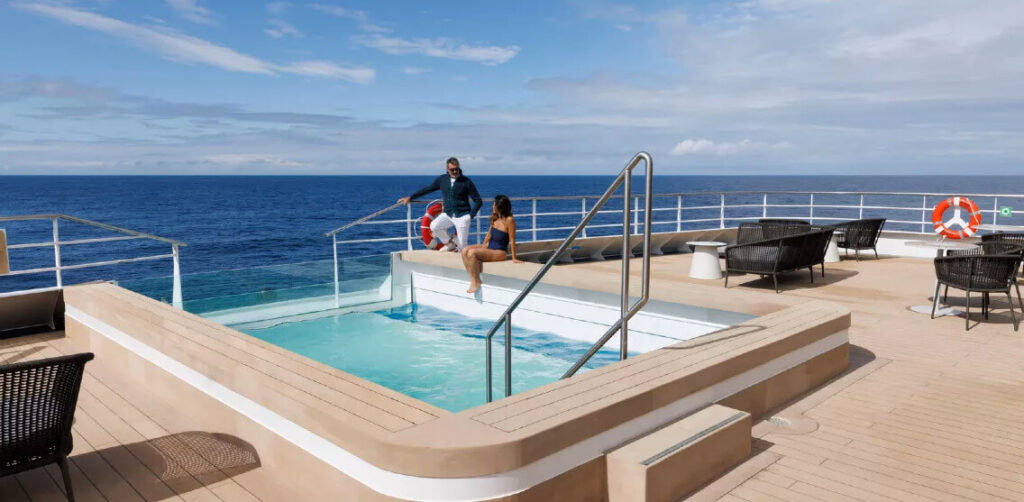
Offer enhanced comfort, fine dining, wellness areas, and spacious cabins. Sometimes with private balconies or hot tubs. These ships are a good choice if you’re looking to balance adventure with a bit of indulgence.

3. Luxury Expedition Ships

Combine the best of both worlds: small passenger count (under 200), full landing access, and excellent expedition staff, with the bonus of spa facilities, top-tier cuisine, and stabilisers for smoother crossings.

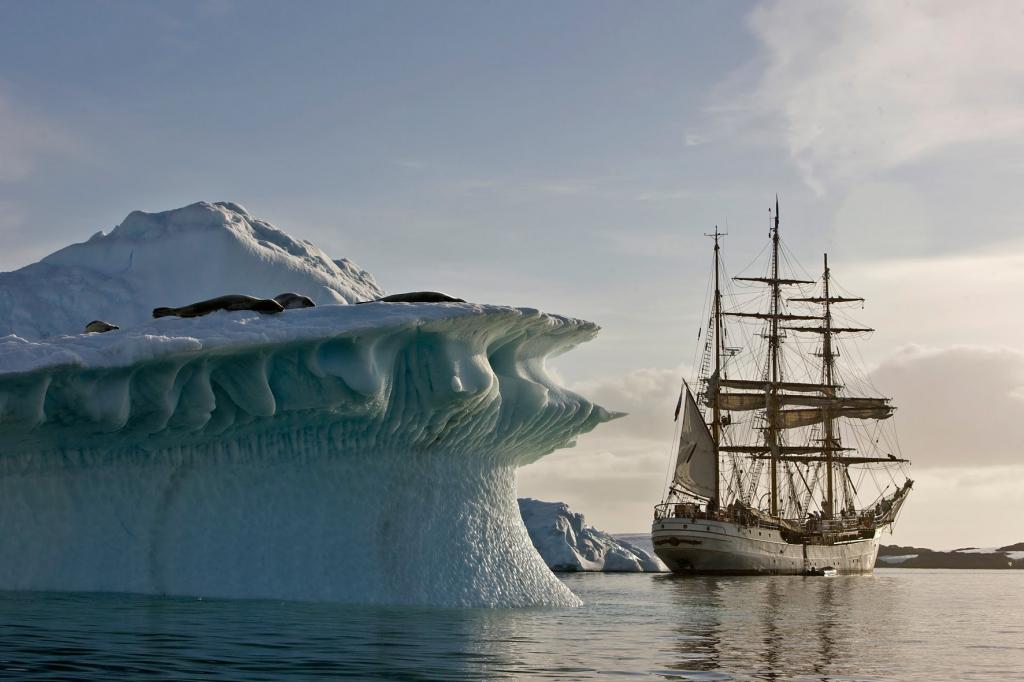
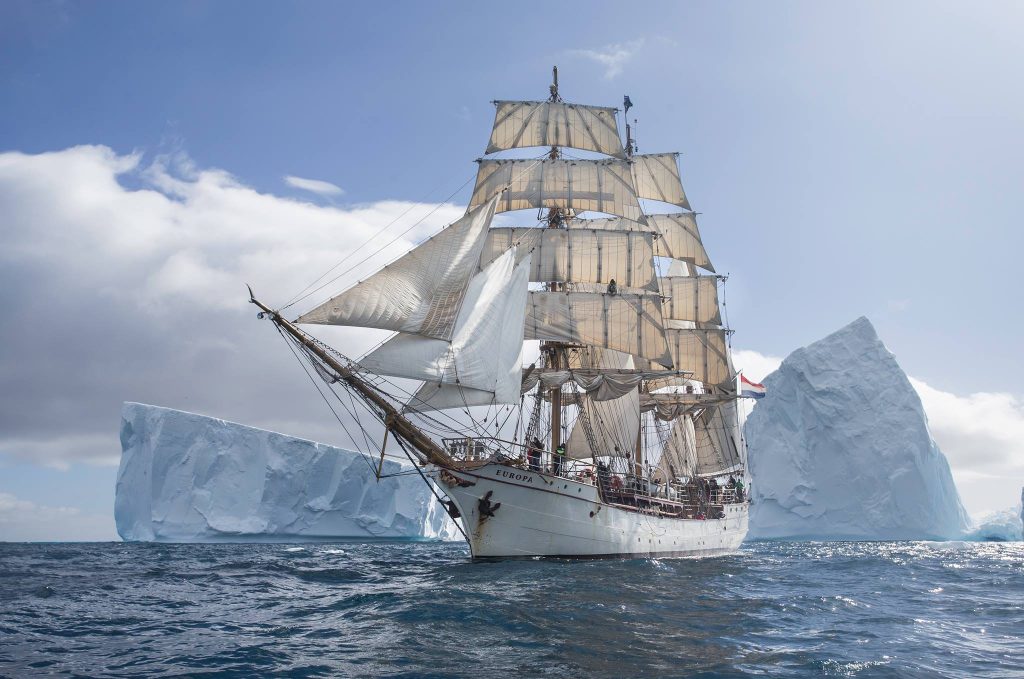
Sailing vessels offer you an intimate and “hands-on” experience in Antarctica. You’ll be able to become part of the crew and sail through the icy waters, experiencing a personalized and flexible trip with less amenities than a larger ship.
What else should you consider?

Here are a few more elements to keep in mind when comparing ships:

> Onboard Amenities: Do you want a gym, a spa, a panoramic sauna, or prefer to keep it simple? There’s a ship to match every comfort level.

> Dining: Most ships offer buffet breakfasts and lunches with a plated dinner menu. Vegetarian and special diet options are generally available, but some vessels are better suited for specific dietary needs.

>Adventure Add-ons: Kayaking, snowshoeing, camping and polar plunges. Many ships offer extra activities (some at added cost). If this is important to you, book early, these spots are limited.

> Education & Citizen Science: Some ships run citizen science programmes, where you can contribute to ongoing polar research. Others host visiting professors or have onboard labs. If learning is part of your travel joy, this may be a key factor.

> Motion Sensitivity: If you’re concerned about seasickness during the Drake Passage, ask us about ships with advanced stabilisers, or consider a fly-cruise to skip the crossing altogether.

Our Best Advice? There is no one-size-fits-all ship. The ideal vessel depends on your personal preferences, your budget, your travel style, and what you want to get out of this once-in-a-lifetime journey.

Want to Dive Deeper? We’ve prepared a detailed PDF guide to help you understand the differences between ship types, expedition styles, and the most important features to consider. It’s written by our co-founder Sarah and packed with useful insights.

👉 Download your free copy here. (Keep it handy when you’re ready to choose your ship!)

✉️ Ready to chat about your trip?

Email us at info@freestyleadventuretravel.com with the dates you’re considering and what you’re looking for in your Antarctic journey, we’ll help you find the perfect match.

Join Our Mailing List

If you have a question about any of our voyages, feel free to call us, email us, or fill out and submit the form below. We’ll respond right away.

This field is for validation purposes and should be left unchanged.
Full Name(Required)
Email(Required)
Subject(s) of Interest(Required)

When planning an Antarctic cruise, one of the most important decisions you’ll make is also one of the most overlooked: choosing the right ship. While Antarctica itself may be the star of the show, with its towering icebergs, bustling penguin colonies, and endless white landscapes, the vessel you travel on will define how you experience the White Continent.

After 12 years in Antarctic sales and helping more than 8,000 people travel to the polar regions, Freestyle’s Co-Founder and Polar Expert Sarah Scott shares her insights to help you select the perfect ship for your journey south.

Why Your Ship Matters

Antarctica is not a traditional destination. It’s remote, fragile, and governed by international regulations designed to preserve it. All Antarctic vessels must be registered with IAATO (International Association of Antarctica Tour Operators), and landings are strictly regulated.

For this reason, the size, capability, and style of your ship will directly influence:

 Understanding Ship Categories by Size

IAATO regulations determine how many times a ship can land in Antarctica based on its capacity:

-Under 200 passengers: Allowed two landings per day – ideal for a full expedition experience.

-200–500 passengers: Permitted only one landing per day.

-Over 500 passengers: Can cruise but not disembark.

At Freestyle, we specialise in vessels carrying fewer than 200 passengers, ensuring intimate access to the continent, expert-led outings, and meaningful time on land.

We don’t rank ships, because there’s no “best ship” for everyone. Each traveller is different, and the right ship depends on your priorities. Here’s how we break it down:

Focus on getting you off the ship and into nature as much as possible. These vessels are built for exploration with reinforced hulls and are usually staffed with naturalists, historians, and polar scientists who lead daily landings, give educational lectures, and share their expertise.

Ushuaia

Offer enhanced comfort, fine dining, wellness areas, and spacious cabins. Sometimes with private balconies or hot tubs. These ships are a good choice if you’re looking to balance adventure with a bit of indulgence.

3. Luxury Expedition Ships

Combine the best of both worlds: small passenger count (under 200), full landing access, and excellent expedition staff, with the bonus of spa facilities, top-tier cuisine, and stabilisers for smoother crossings.

Sailing vessels offer you an intimate and “hands-on” experience in Antarctica. You’ll be able to become part of the crew and sail through the icy waters, experiencing a personalized and flexible trip with less amenities than a larger ship.

What else should you consider?

Here are a few more elements to keep in mind when comparing ships:

> Onboard Amenities: Do you want a gym, a spa, a panoramic sauna, or prefer to keep it simple? There’s a ship to match every comfort level.

> Dining: Most ships offer buffet breakfasts and lunches with a plated dinner menu. Vegetarian and special diet options are generally available, but some vessels are better suited for specific dietary needs.

>Adventure Add-ons: Kayaking, snowshoeing, camping and polar plunges. Many ships offer extra activities (some at added cost). If this is important to you, book early, these spots are limited.

> Education & Citizen Science: Some ships run citizen science programmes, where you can contribute to ongoing polar research. Others host visiting professors or have onboard labs. If learning is part of your travel joy, this may be a key factor.

> Motion Sensitivity: If you’re concerned about seasickness during the Drake Passage, ask us about ships with advanced stabilisers, or consider a fly-cruise to skip the crossing altogether.

Our Best Advice? There is no one-size-fits-all ship. The ideal vessel depends on your personal preferences, your budget, your travel style, and what you want to get out of this once-in-a-lifetime journey.

Want to Dive Deeper? We’ve prepared a detailed PDF guide to help you understand the differences between ship types, expedition styles, and the most important features to consider. It’s written by our co-founder Sarah and packed with useful insights.

👉 Download your free copy here. (Keep it handy when you’re ready to choose your ship!)

✉️ Ready to chat about your trip?

Email us at info@freestyleadventuretravel.com with the dates you’re considering and what you’re looking for in your Antarctic journey, we’ll help you find the perfect match.

When planning an Antarctic cruise, one of the most important decisions you’ll make is also one of the most overlooked: choosing the right ship. While Antarctica itself may be the star of the show, with its towering icebergs, bustling penguin colonies, and endless white landscapes, the vessel you travel on will define how you experience the White Continent.

After 12 years in Antarctic sales and helping more than 8,000 people travel to the polar regions, Freestyle’s Co-Founder and Polar Expert Sarah Scott shares her insights to help you select the perfect ship for your journey south.

Why Your Ship Matters

Antarctica is not a traditional destination. It’s remote, fragile, and governed by international regulations designed to preserve it. All Antarctic vessels must be registered with IAATO (International Association of Antarctica Tour Operators), and landings are strictly regulated.

For this reason, the size, capability, and style of your ship will directly influence:

 Understanding Ship Categories by Size

IAATO regulations determine how many times a ship can land in Antarctica based on its capacity:

-Under 200 passengers: Allowed two landings per day – ideal for a full expedition experience.

-200–500 passengers: Permitted only one landing per day.

-Over 500 passengers: Can cruise but not disembark.

At Freestyle, we specialise in vessels carrying fewer than 200 passengers, ensuring intimate access to the continent, expert-led outings, and meaningful time on land.

We don’t rank ships, because there’s no “best ship” for everyone. Each traveller is different, and the right ship depends on your priorities. Here’s how we break it down:

Focus on getting you off the ship and into nature as much as possible. These vessels are built for exploration with reinforced hulls and are usually staffed with naturalists, historians, and polar scientists who lead daily landings, give educational lectures, and share their expertise.

Ushuaia

Offer enhanced comfort, fine dining, wellness areas, and spacious cabins. Sometimes with private balconies or hot tubs. These ships are a good choice if you’re looking to balance adventure with a bit of indulgence.

3. Luxury Expedition Ships

Combine the best of both worlds: small passenger count (under 200), full landing access, and excellent expedition staff, with the bonus of spa facilities, top-tier cuisine, and stabilisers for smoother crossings.

Sailing vessels offer you an intimate and “hands-on” experience in Antarctica. You’ll be able to become part of the crew and sail through the icy waters, experiencing a personalized and flexible trip with less amenities than a larger ship.

What else should you consider?

Here are a few more elements to keep in mind when comparing ships:

> Onboard Amenities: Do you want a gym, a spa, a panoramic sauna, or prefer to keep it simple? There’s a ship to match every comfort level.

> Dining: Most ships offer buffet breakfasts and lunches with a plated dinner menu. Vegetarian and special diet options are generally available, but some vessels are better suited for specific dietary needs.

>Adventure Add-ons: Kayaking, snowshoeing, camping and polar plunges. Many ships offer extra activities (some at added cost). If this is important to you, book early, these spots are limited.

> Education & Citizen Science: Some ships run citizen science programmes, where you can contribute to ongoing polar research. Others host visiting professors or have onboard labs. If learning is part of your travel joy, this may be a key factor.

> Motion Sensitivity: If you’re concerned about seasickness during the Drake Passage, ask us about ships with advanced stabilisers, or consider a fly-cruise to skip the crossing altogether.

Our Best Advice? There is no one-size-fits-all ship. The ideal vessel depends on your personal preferences, your budget, your travel style, and what you want to get out of this once-in-a-lifetime journey.

Want to Dive Deeper? We’ve prepared a detailed PDF guide to help you understand the differences between ship types, expedition styles, and the most important features to consider. It’s written by our co-founder Sarah and packed with useful insights.

👉 Download your free copy here. (Keep it handy when you’re ready to choose your ship!)

✉️ Ready to chat about your trip?

Email us at info@freestyleadventuretravel.com with the dates you’re considering and what you’re looking for in your Antarctic journey, we’ll help you find the perfect match.
Search Freestyle

ANTARCTICA AWAITS!

Our office is open, and new last-minute deals are landing every week!

Join our mailing list and stay one step ahead.