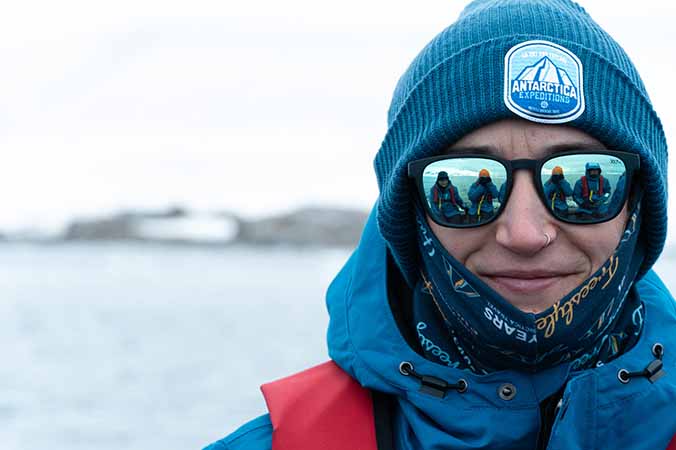

The Antarctic season is underway, and here in Ushuaia, the world’s southernmost city, expedition ships are once again preparing to cross the Drake Passage.
One of the most common questions travelers ask at this stage is: what is early summer in Antarctica really like?
November marks the beginning of the Antarctic travel season, offering a unique window into a pristine, just-awakened wilderness. For travelers in the decision phase, understanding how this period compares to later months is key.
Here’s what you can realistically expect – and why early summer might be the right choice for your Antarctic expedition.
Weather and temperatures in early summer
Weather in Antarctica is famously unpredictable. Conditions can shift rapidly, with sunshine, snowfall, and strong winds all possible within a single day.
That said, November offers relatively stable baseline conditions compared to the extremes of winter.
On the Antarctic Peninsula – the most visited and climatically moderate region – average temperatures hover around -2.8°C (27°F). While this is cold, it’s often more manageable than many travelers expect, particularly with proper expedition gear.
A few important considerations:
- Wind chill matters more than temperature: Strong katabatic winds can significantly lower the perceived temperature.
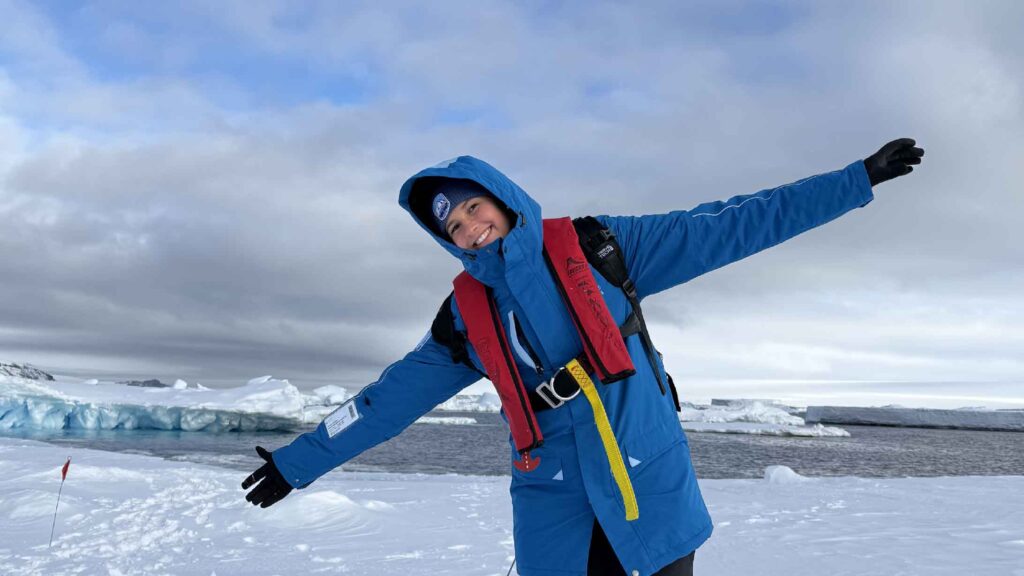
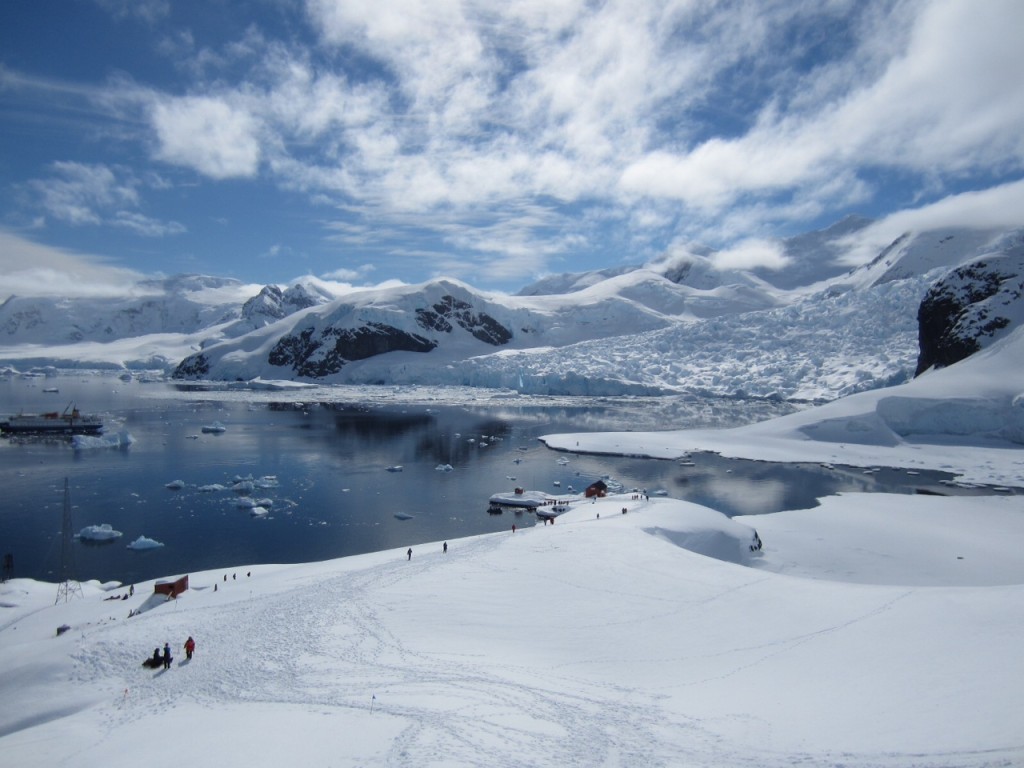
- Snow coverage is at its peak: Landscapes are fully blanketed, creating a true polar aesthetic.
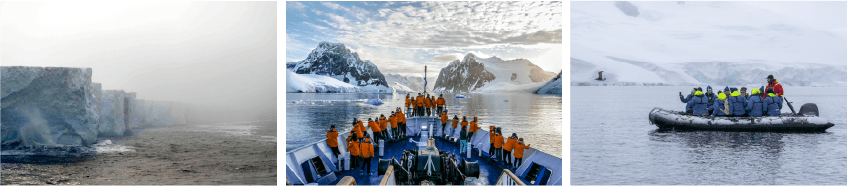
- Sea ice is still present: This can influence navigation routes, adding an element of unpredictability to itineraries.
We like to check weather daily & recommend a few sites below for accurate temperate and wind stats:
Daylight and atmosphere
One of the defining features of early summer in Antarctica is the dramatic increase in daylight. By November, days stretch long into the evening, with light lingering well past 11:00 p.m..
This extended daylight transforms the travel experience:
- More time for exploration: Longer days mean more opportunities for landings and zodiac cruises.
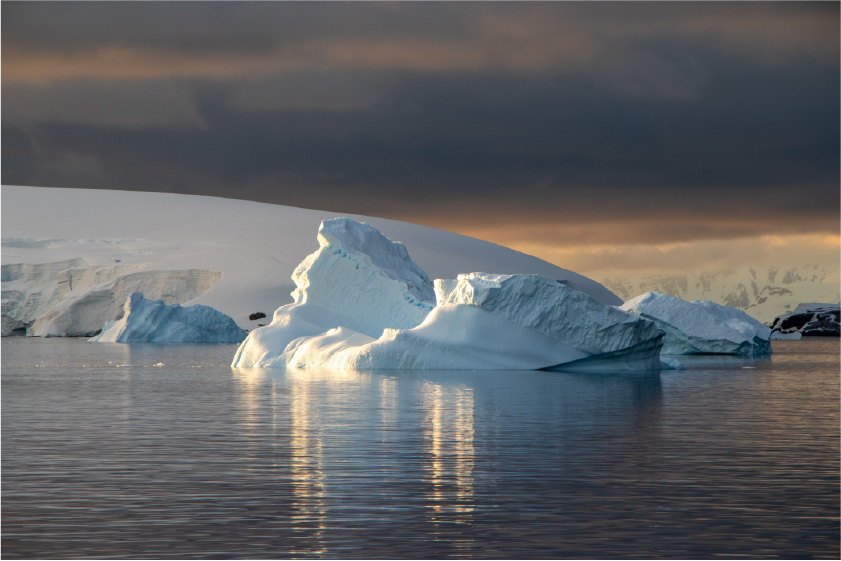
- Unique lighting conditions: Soft, low-angle sunlight creates exceptional photography conditions throughout the day.
- A sense of timelessness: With no real “night,” the rhythm of the expedition becomes fluid and immersive.
For photographers and travelers seeking atmosphere, this period offers some of the most striking visual contrasts of the season.
Ice conditions and landscapes
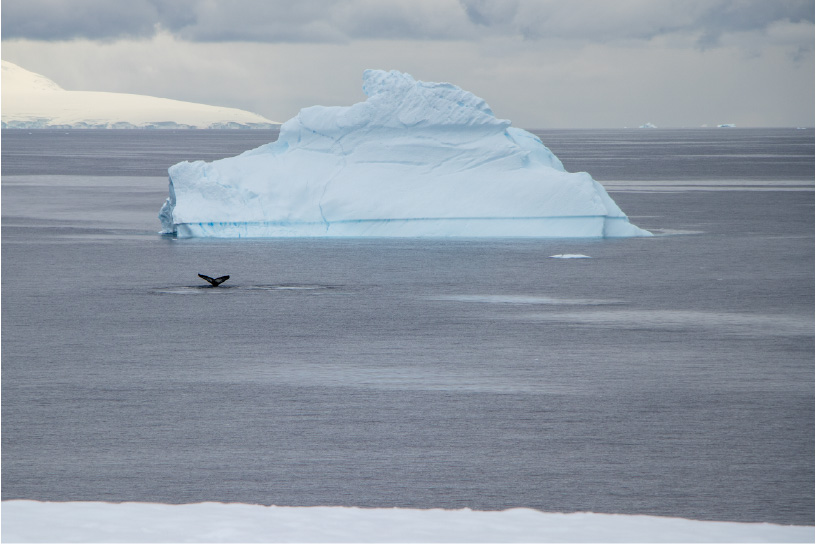
If your vision of Antarctica involves untouched snowfields and dramatic ice formations, early summer delivers at its peak.
After more than eight months without human presence, the landscape is effectively reset. You’ll encounter:
- Untouched landing sites: No footprints, no prior disturbances—just pure wilderness.
- Deep snow coverage: This can make landings more adventurous, occasionally requiring guides to prepare access points.
- Spectacular icebergs: Early in the season, ice formations are at their most sculptural, before summer melt begins to reshape them.
This also means logistics can be slightly more challenging. Heavier ice conditions can limit access to certain areas, but experienced expedition teams are skilled at adapting routes to maximize both safety and scenic value.
Wildlife encounters in November
Wildlife in early summer is dynamic and behavior-driven. Rather than large numbers of animals in one place, November offers intimate glimpses into the start of the breeding season.
Here’s what you’re likely to observe:
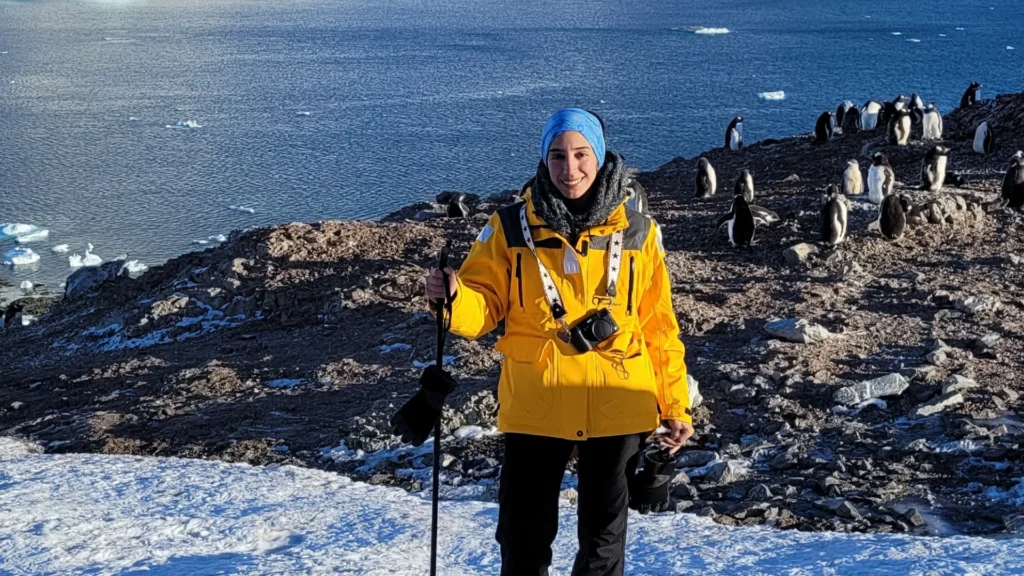
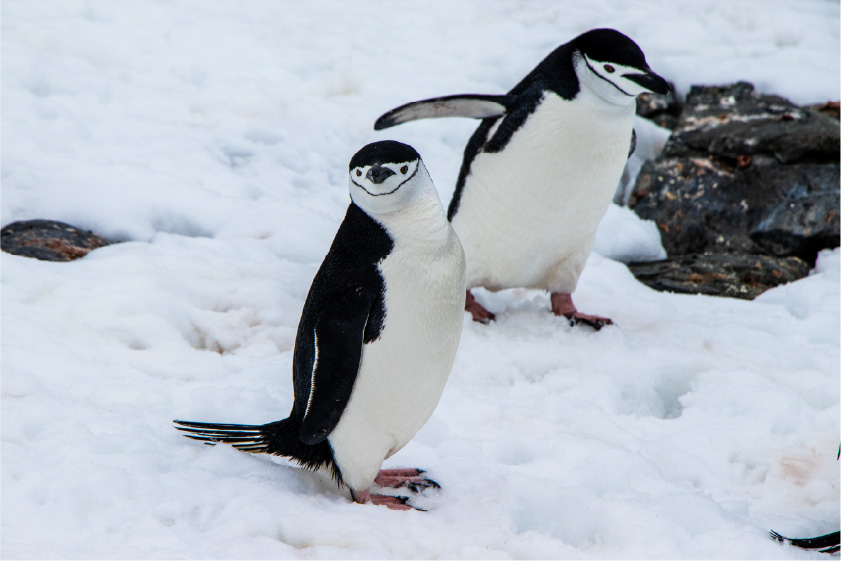
- Penguin courtship and nesting: Species such as chinstrap and gentoo penguins are actively building nests using small stones. Courtship displays and pair bonding are common.
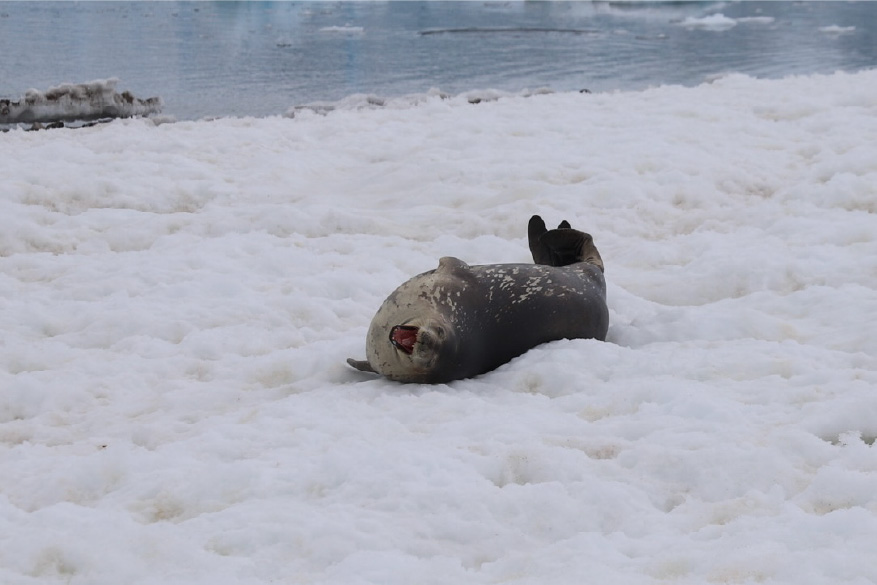
- Seals in mating season: Weddell and crabeater seals can often be seen resting on ice or engaging in territorial behavior.
- Emerging colony activity: While some rookeries may still be partially hidden by snow, the activity level is steadily increasing.
Because nesting areas may be concealed, responsible wildlife viewing is essential. Maintaining distance and following guide instructions ensures minimal disturbance during this sensitive period.
Is early summer the right time for your trip?
Choosing when to visit Antarctica depends on your priorities. November stands apart from peak summer months like December and January in several key ways.
Early summer (November) is ideal if you value:
- Pristine, untouched landscapes
- Dramatic ice formations
- Fewer visitors and a quieter atmosphere
- Wildlife behavior (courtship and nesting) rather than peak population density
You may prefer later months if you prioritize:
- Warmer temperatures
- Easier landings with less snow
- Larger, more active wildlife colonies (including chicks)
From a planning perspective, early-season departures often appeal to travelers seeking a more exploratory, expedition-style experience rather than a purely wildlife-focused trip.
Early summer in Antarctica offers a rare combination of raw beauty, solitude, and discovery. It’s a time when the continent is just beginning to come alive – when penguins are establishing colonies, icebergs are at their most dramatic, and the landscape remains largely untouched.
If you’re considering Antarctica and want to understand how early summer fits into your plans, it’s worth exploring your options now – this short but remarkable window is one of the most distinctive ways to experience the White Continent.