Get info about this deal

  • This field is for validation purposes and should be left unchanged.
  • This field is hidden when viewing the form

Imagine a place where the untamed beauty of the Antarctic meets a harrowing tale of survival that defines human endurance.

Welcome to Elephant Island, a remote and icy outpost located 245 km (152 miles) from the Antarctic Peninsula’s northern tip, where every glacier and rocky shore whispers stories of remarkable courage.
Geographical Overview and Remarkable Wildlife

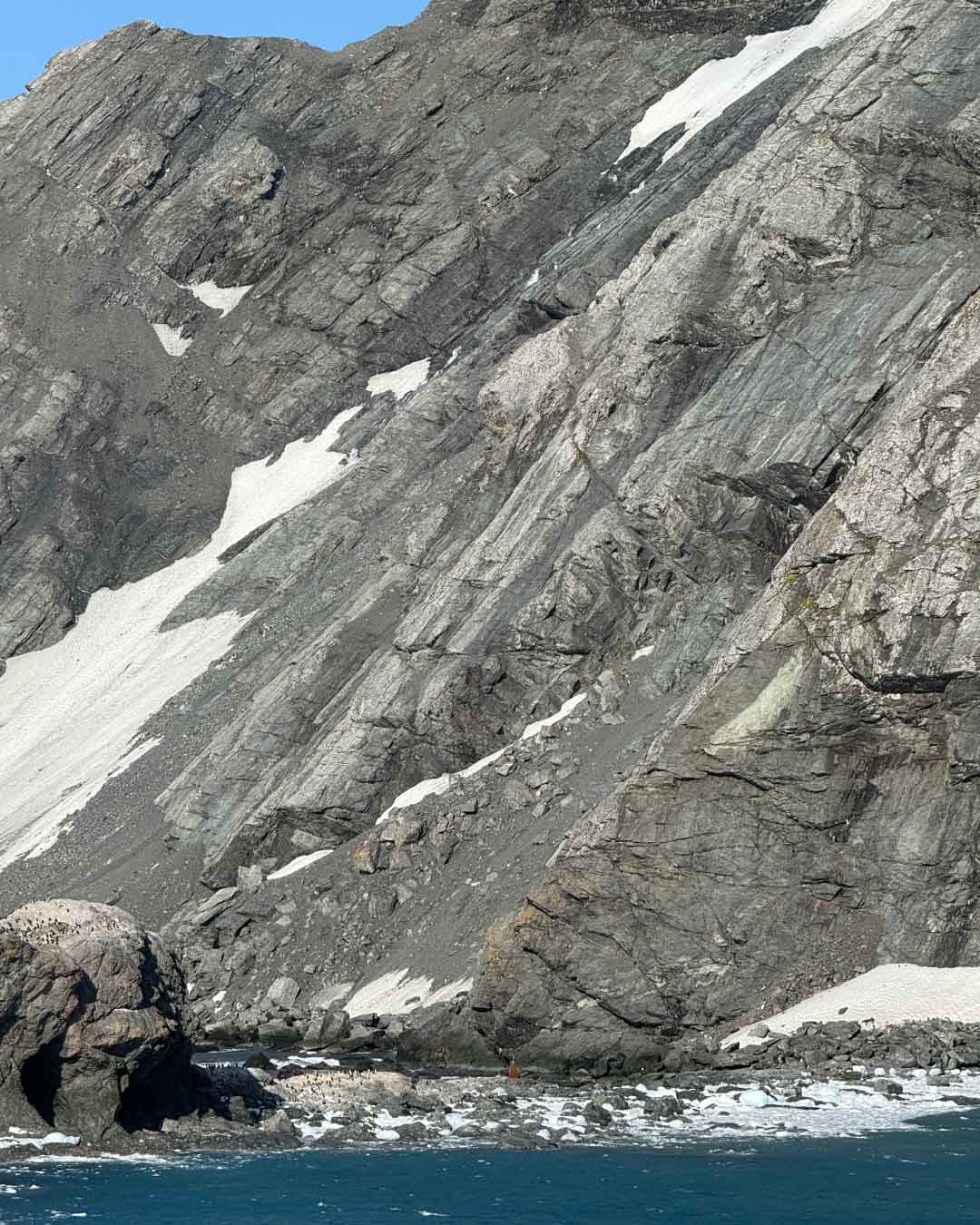
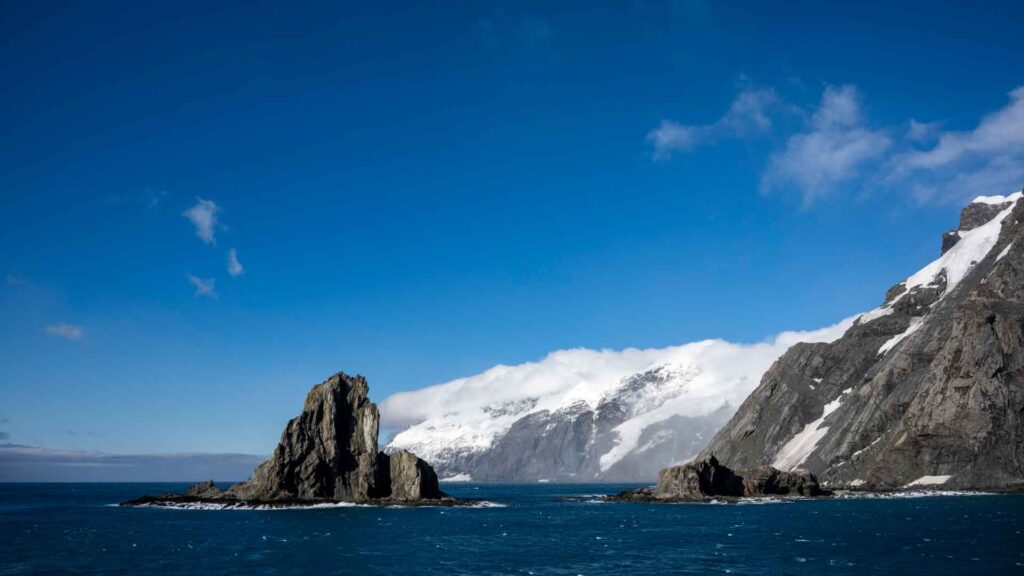
This ice-covered, mountainous island boasts a coastline predominantly made up of inaccessible steep tidewater glaciers and cliffs.

Its distinctive name stems both from its elephant-head shape and the elephant seals that once frequented its shores, as noted by the First Russian Antarctic Expedition of 1821.

While erosion has unfortunately reduced the elephant seal population in some areas, Elephant Island remains a vital habitat for incredible wildlife, particularly migratory gentoo penguins and nesting chinstrap penguins. You’ll find these climbing-adept Chinstrap penguins especially at Point Wild, a small, low-lying, narrow, and rocky point on the island’s north coast.
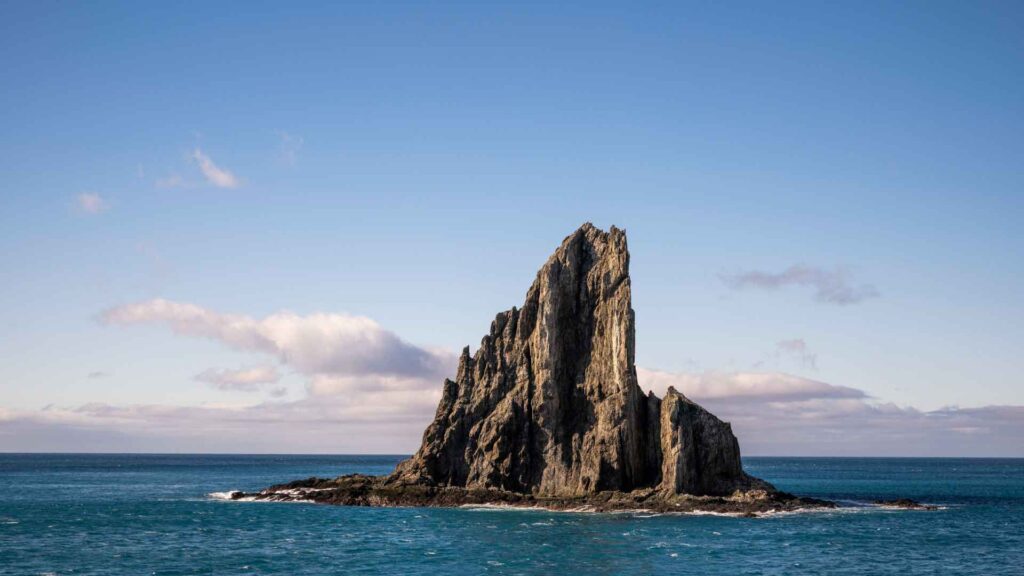
elephant-island-rock

The Shackleton Legacy Begins: The Imperial Trans-Antarctic Expedition

Elephant Island’s profound significance is indelibly tied to one of the most incredible survival stories in polar exploration: Sir Ernest Shackleton’s Imperial Trans-Antarctic Expedition of 1914–1917. Shackleton, an Anglo-Irish explorer and a principal figure of the Heroic Age of Antarctic Exploration, aimed to achieve the first crossing of Antarctica from sea to sea via the pole. 

However, his ship, the Endurance, became hopelessly trapped in thick pack-ice at 60S in the Weddell Sea on January 19, 1915. After nearly ten months adrift, subjected to immense pressure from the breaking ice, Shackleton gave the order to abandon ship on October 24, 1915, and the wreck of Endurance finally slipped beneath the surface on November 21, 1915.
What followed was an extraordinary feat of human resilience and leadership.

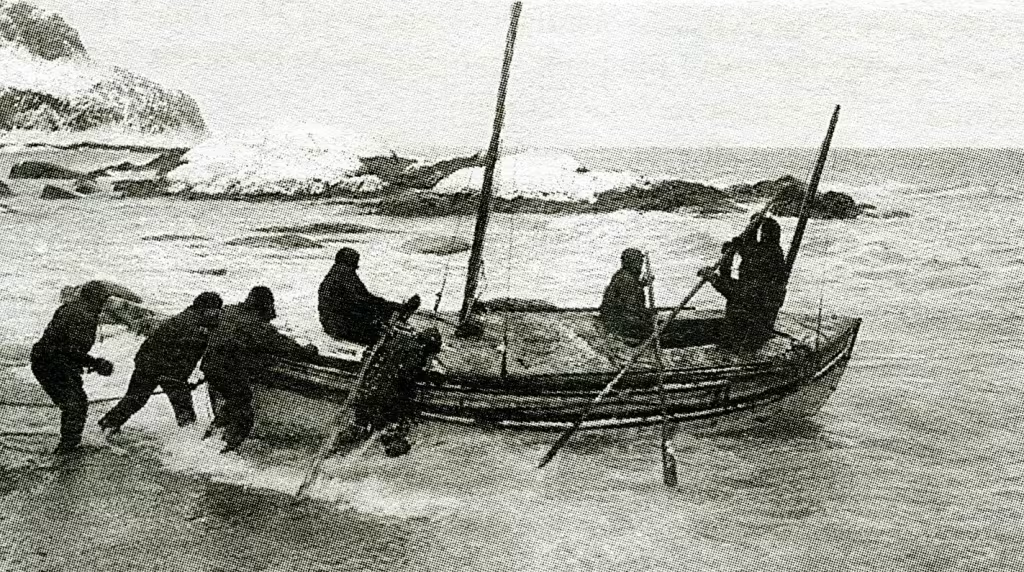
Shackleton and his 27-man crew, after camping on the disintegrating sea ice for almost two months, launched their three lifeboats. After five harrowing days at sea, the exhausted men finally landed on Elephant Island, the first solid ground they had touched in 497 days. This desolate island became their temporary, precarious home.

Recognizing their dire situation, Shackleton and five companions embarked on an unbelievable 720-nautical-mile (1,330 km; 830 mi) journey in a small lifeboat to South Georgia to seek rescue, leaving 22 men to survive on Elephant Island for over four months.

They built a makeshift hut for shelter at Point Wild. Shackleton’s unwavering concern for his men was evident throughout this ordeal; he even gave his mittens to photographer Frank Hurley, who had lost his own, and suffered frostbitten fingers as a result.

The hero of their rescue was Captain Luis Pardo (Luis Antonio Pardo Villalón), a Chilean Navy officer, who, with his ship, ultimately rescued the stranded crew from Point Wild after they had been there for 4.5 months.

Today, a striking red and green bust of Captain Pardo stands proudly at Point Wild, serving as a certified historic monument and a poignant reminder of this incredible rescue.

Shackleton’s saga cemented his legacy, becoming a role model for leadership in extreme circumstances, famously inspiring the saying: “Scott for scientific method, Amundsen for speed and efficiency but when disaster strikes and all hope is gone, get down on your knees and pray for Shackleton”.

Elephant Island Today: A Destination for Adventurers

For adventurers planning their dream Antarctic voyage with Freestyle Adventure Travel, Elephant Island is more than just a dot on the map; it’s a tangible link to a heroic past. Many of our itineraries offer the opportunity to witness this historic site firsthand.

While direct landings can be challenging due to its rugged coastline, you can often get close enough in Zodiacs or from your vessel to see the monument to Captain Pardo and imagine the epic story that unfolded there.

Our expert team is ready to help you find the perfect match for your Antarctic adventure choosing the ship that fits your style, your dream route, and the best time to go based on what you want to see. 

Ready to explore the wonders of Antarctica and stand on the edge of history?

Join our mailing list for first access to exclusive offers and last-minute spots, or contact us directly to start planning your unforgettable journey to the ice.

Join Our Mailing List

If you have a question about any of our voyages, feel free to call us, email us, or fill out and submit the form below. We’ll respond right away.

This field is for validation purposes and should be left unchanged.
Full Name(Required)
Email(Required)
Subject(s) of Interest(Required)

Imagine a place where the untamed beauty of the Antarctic meets a harrowing tale of survival that defines human endurance.

Welcome to Elephant Island, a remote and icy outpost located 245 km (152 miles) from the Antarctic Peninsula’s northern tip, where every glacier and rocky shore whispers stories of remarkable courage.

Geographical Overview and Remarkable Wildlife

This ice-covered, mountainous island boasts a coastline predominantly made up of inaccessible steep tidewater glaciers and cliffs.

Its distinctive name stems both from its elephant-head shape and the elephant seals that once frequented its shores, as noted by the First Russian Antarctic Expedition of 1821.

While erosion has unfortunately reduced the elephant seal population in some areas, Elephant Island remains a vital habitat for incredible wildlife, particularly migratory gentoo penguins and nesting chinstrap penguins. You’ll find these climbing-adept Chinstrap penguins especially at Point Wild, a small, low-lying, narrow, and rocky point on the island’s north coast.

elephant-island-rock

The Shackleton Legacy Begins: The Imperial Trans-Antarctic Expedition

Elephant Island’s profound significance is indelibly tied to one of the most incredible survival stories in polar exploration: Sir Ernest Shackleton’s Imperial Trans-Antarctic Expedition of 1914–1917. Shackleton, an Anglo-Irish explorer and a principal figure of the Heroic Age of Antarctic Exploration, aimed to achieve the first crossing of Antarctica from sea to sea via the pole. 

However, his ship, the Endurance, became hopelessly trapped in thick pack-ice at 60S in the Weddell Sea on January 19, 1915. After nearly ten months adrift, subjected to immense pressure from the breaking ice, Shackleton gave the order to abandon ship on October 24, 1915, and the wreck of Endurance finally slipped beneath the surface on November 21, 1915.

What followed was an extraordinary feat of human resilience and leadership.

Shackleton and his 27-man crew, after camping on the disintegrating sea ice for almost two months, launched their three lifeboats. After five harrowing days at sea, the exhausted men finally landed on Elephant Island, the first solid ground they had touched in 497 days. This desolate island became their temporary, precarious home.

Recognizing their dire situation, Shackleton and five companions embarked on an unbelievable 720-nautical-mile (1,330 km; 830 mi) journey in a small lifeboat to South Georgia to seek rescue, leaving 22 men to survive on Elephant Island for over four months.

They built a makeshift hut for shelter at Point Wild. Shackleton’s unwavering concern for his men was evident throughout this ordeal; he even gave his mittens to photographer Frank Hurley, who had lost his own, and suffered frostbitten fingers as a result.

The hero of their rescue was Captain Luis Pardo (Luis Antonio Pardo Villalón), a Chilean Navy officer, who, with his ship, ultimately rescued the stranded crew from Point Wild after they had been there for 4.5 months.

Today, a striking red and green bust of Captain Pardo stands proudly at Point Wild, serving as a certified historic monument and a poignant reminder of this incredible rescue.

Shackleton’s saga cemented his legacy, becoming a role model for leadership in extreme circumstances, famously inspiring the saying: “Scott for scientific method, Amundsen for speed and efficiency but when disaster strikes and all hope is gone, get down on your knees and pray for Shackleton”.

Elephant Island Today: A Destination for Adventurers

For adventurers planning their dream Antarctic voyage with Freestyle Adventure Travel, Elephant Island is more than just a dot on the map; it’s a tangible link to a heroic past. Many of our itineraries offer the opportunity to witness this historic site firsthand.

While direct landings can be challenging due to its rugged coastline, you can often get close enough in Zodiacs or from your vessel to see the monument to Captain Pardo and imagine the epic story that unfolded there.

Our expert team is ready to help you find the perfect match for your Antarctic adventure choosing the ship that fits your style, your dream route, and the best time to go based on what you want to see. 

Ready to explore the wonders of Antarctica and stand on the edge of history?

Join our mailing list for first access to exclusive offers and last-minute spots, or contact us directly to start planning your unforgettable journey to the ice.

Imagine a place where the untamed beauty of the Antarctic meets a harrowing tale of survival that defines human endurance.

Welcome to Elephant Island, a remote and icy outpost located 245 km (152 miles) from the Antarctic Peninsula’s northern tip, where every glacier and rocky shore whispers stories of remarkable courage.

Geographical Overview and Remarkable Wildlife

This ice-covered, mountainous island boasts a coastline predominantly made up of inaccessible steep tidewater glaciers and cliffs.

Its distinctive name stems both from its elephant-head shape and the elephant seals that once frequented its shores, as noted by the First Russian Antarctic Expedition of 1821.

While erosion has unfortunately reduced the elephant seal population in some areas, Elephant Island remains a vital habitat for incredible wildlife, particularly migratory gentoo penguins and nesting chinstrap penguins. You’ll find these climbing-adept Chinstrap penguins especially at Point Wild, a small, low-lying, narrow, and rocky point on the island’s north coast.

elephant-island-rock

The Shackleton Legacy Begins: The Imperial Trans-Antarctic Expedition

Elephant Island’s profound significance is indelibly tied to one of the most incredible survival stories in polar exploration: Sir Ernest Shackleton’s Imperial Trans-Antarctic Expedition of 1914–1917. Shackleton, an Anglo-Irish explorer and a principal figure of the Heroic Age of Antarctic Exploration, aimed to achieve the first crossing of Antarctica from sea to sea via the pole. 

However, his ship, the Endurance, became hopelessly trapped in thick pack-ice at 60S in the Weddell Sea on January 19, 1915. After nearly ten months adrift, subjected to immense pressure from the breaking ice, Shackleton gave the order to abandon ship on October 24, 1915, and the wreck of Endurance finally slipped beneath the surface on November 21, 1915.

What followed was an extraordinary feat of human resilience and leadership.

Shackleton and his 27-man crew, after camping on the disintegrating sea ice for almost two months, launched their three lifeboats. After five harrowing days at sea, the exhausted men finally landed on Elephant Island, the first solid ground they had touched in 497 days. This desolate island became their temporary, precarious home.

Recognizing their dire situation, Shackleton and five companions embarked on an unbelievable 720-nautical-mile (1,330 km; 830 mi) journey in a small lifeboat to South Georgia to seek rescue, leaving 22 men to survive on Elephant Island for over four months.

They built a makeshift hut for shelter at Point Wild. Shackleton’s unwavering concern for his men was evident throughout this ordeal; he even gave his mittens to photographer Frank Hurley, who had lost his own, and suffered frostbitten fingers as a result.

The hero of their rescue was Captain Luis Pardo (Luis Antonio Pardo Villalón), a Chilean Navy officer, who, with his ship, ultimately rescued the stranded crew from Point Wild after they had been there for 4.5 months.

Today, a striking red and green bust of Captain Pardo stands proudly at Point Wild, serving as a certified historic monument and a poignant reminder of this incredible rescue.

Shackleton’s saga cemented his legacy, becoming a role model for leadership in extreme circumstances, famously inspiring the saying: “Scott for scientific method, Amundsen for speed and efficiency but when disaster strikes and all hope is gone, get down on your knees and pray for Shackleton”.

Elephant Island Today: A Destination for Adventurers

For adventurers planning their dream Antarctic voyage with Freestyle Adventure Travel, Elephant Island is more than just a dot on the map; it’s a tangible link to a heroic past. Many of our itineraries offer the opportunity to witness this historic site firsthand.

While direct landings can be challenging due to its rugged coastline, you can often get close enough in Zodiacs or from your vessel to see the monument to Captain Pardo and imagine the epic story that unfolded there.

Our expert team is ready to help you find the perfect match for your Antarctic adventure choosing the ship that fits your style, your dream route, and the best time to go based on what you want to see. 

Ready to explore the wonders of Antarctica and stand on the edge of history?

Join our mailing list for first access to exclusive offers and last-minute spots, or contact us directly to start planning your unforgettable journey to the ice.

Search Freestyle

ANTARCTICA AWAITS!

Our office is open, and new last-minute deals are landing every week!

Join our mailing list and stay one step ahead.